Energy Efficiency · COLOMBIA
The 10 technologies in the world of energy that will save the planet.
4 MIN READ
·
Published: October 08, 2026
GE
Engineering Department
Gestiones Eléctricas SAS
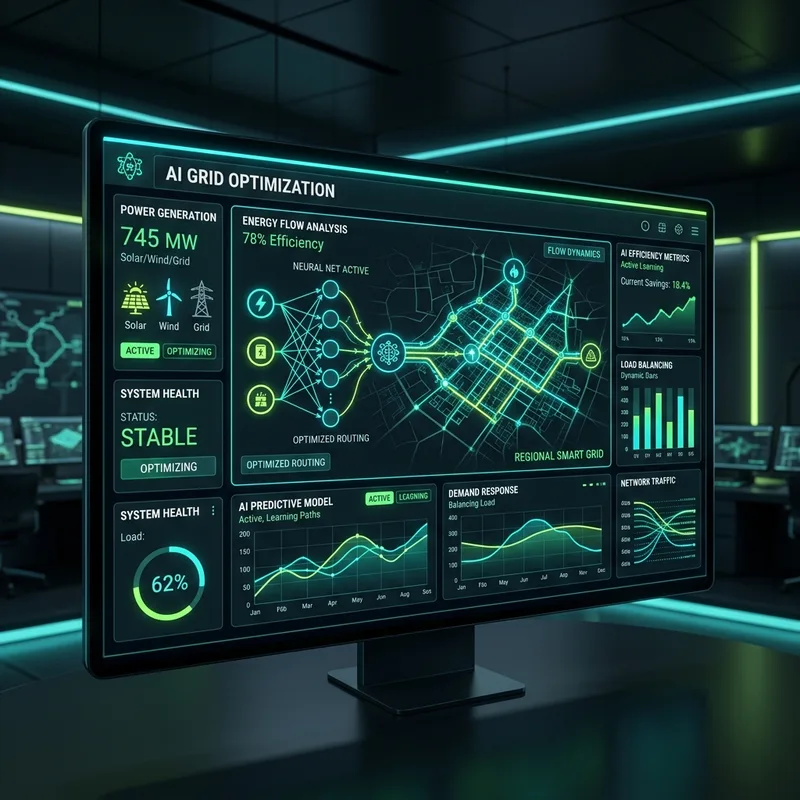
Executive Summary: What are the 10 key technologies for the future of sustainable energy? They include advanced solar PV, lithium-ion battery storage, green hydrogen, smart grids, micro-wind generation, peer-to-peer blockchain energy trading, AI grid optimization, electric mobility, piezoelectric energy harvesting, and nuclear fusion.
In recent decades there has been incredible progress and deployment in innovative technologies, but it is the convergence of these technologies that could truly transform our future, according to Forbes magazine.
Whether the biggest concern is climate change, air pollution, plastics, food security or one of the many existential threats facing the world today, it seems there are technological solutions that can really help us meet the goals of the 2015 Paris climate agreement or achieve the Sustainable Development Goals by 2030.
Masdar, the Abu Dhabi company that researches future energy, in partnership with the newspaper
The National and the World Future Energy Summit organized during Abu Dhabi Sustainability Week (ADSW) launched a new report
«The future of sustainability», which highlights how innovations as different as carbon capture are. Energy storage, 3D printing, artificial intelligence (AI) or data analysis could accelerate the global transition towards a sustainable, low-carbon world.
The report also examines key technological advances that will improve sustainability in six sectors defined as
energy and climate change, water, mobility, biotechnology, space and technology for good. Various technologies, such as
3D printing, nanotechnology, data analysis, blockchain and artificial intelligence, affect all six sectors. These and other technologies are converging to improve efficiency, optimize electricity consumption and produce smart systems that will reduce our carbon footprint.
The top ten technologies identified in the research include:
- 'Blockchains', which allow the purchase and sharing of electricity such as OLI from Germany
- Blockchain and cryptocurrencies in renewable facilities. With this technology, as the startups of Soluna;
- Peer-to-peer solar energy sharing platforms that extend clean energy to remote areas such as SOL-Share, based in Bangladesh;
- Waste heat recovery systems that recycle industrial byproducts and thus become a carbon-free energy source. It is the case of Seramic from United Arab Emirates;
- A 3D-printable solid-state battery powered by vegetable oil that has potential applications in energy storage, such as Berekotry Ltd (USA);
- A type of charcoal made from biomass that can reduce greenhouse gas emissions. It is already used in coal-fired power plants. Agri-Tech Producers, in the USA;
- “Green” briquettes made from biomass that reduce tree felling and dependence on dirty coal like that created by the environmental management company Kayole from Kenya;
- A virtual reality system that inspires more sustainable behavior such as New York Thinc Design;
- A water source in the city that saves water and avoids the use of millions of plastic bottles. That at the proposal of the ProAcqua Group;
- Environmentally friendly paints that protect surfaces and improve energy efficiencies, such as those of zero-VOC.
Innovations in energy and climate change remain some of the most critical to accelerating a more sustainable future, and the report argues that better energy storage, including innovations in hydrogen storage, must be achieved for a successful energy transition. Meanwhile, smart grids and connectivity are expected to facilitate better energy management and less waste overall.
There are also other areas that require greater focus to have an impact, with smart city transit technologies a key innovation in developing more sustainable mobility services.
As water is a critical issue, both in terms of agriculture (which consumes 70% of global freshwater each year) and in terms of use in energy generation, desalination will need to be developed rapidly.
Biotechnology will become increasingly widespread, with the potential to solve a wide range of medical, agricultural and environmental challenges. In industries ranging from medical to manufacturing, 3D printing will continue to play an increasingly important role, while space exploration will move from the realm of governments to the development of sustainable practices and industries.
One area that appears clearly in the report is the importance of
youths. While in the global north the population is aging, globally, demographics are shifting downward. Most young people today believe that climate change will be the biggest threat to the world in the next decade and are turning to innovation to solve the challenges. This in itself ties into the last major finding of the report, which is that
Education is absolutely fundamental to achieving best sustainable practices.“The world is experiencing a shift from a business-as-usual paradigm to a more sustainability-conscious one,” said Thani bin Ahmed Al Zeyoudi, Minister of Climate Change and Environment of the United Arab Emirates.
Need expert consulting or maintenance for your network?
Talk with our engineering team to design a customized solution, ensuring safety, AI-driven efficiency, and RETIE standard compliance.
Let's Discuss your Project